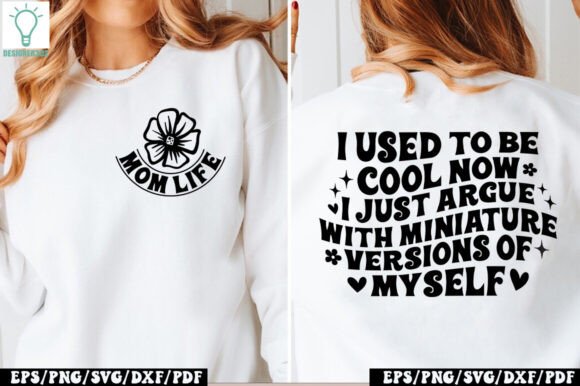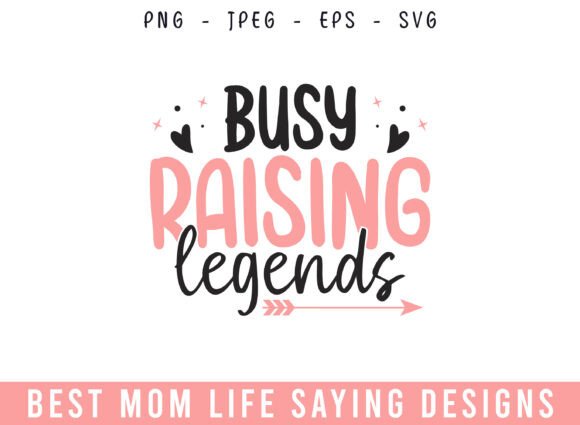
Busy Raising Legends Mom Life Designs
As an experienced embroidery designer and product reviewer, I always approach a new design with a critical eye. When I first opened the Busy Raising Legends Mom Life Designs, I was immediately drawn to its warm, relatable theme. The design captures the essence of motherhood with clever wordplay and a layout that feels both modern and heartfelt. It’s clear this is intended for personal or commercial use in custom apparel, tote bags, and even mugs — which means it needs to be versatile enough to adapt without losing its charm.
A First Look: Mood and Layout
The phrase “Busy Raising Legends” stands out as the centerpiece, framed by subtle visual elements that echo the chaos and joy of parenting. The use of 100 vector shapes suggests a high level of detail and re-sizability, which is essential when adapting designs across different products like sweatshirts or aprons. The overall mood is uplifting and empowering, perfect for creating personalized gifts or branding for a craft business. However, what really caught my attention was how well the design balances text and imagery. This balance makes it suitable for multiple applications but also hints at potential challenges depending on the project type.
Design Personality and Project Fit
This design naturally belongs on a soft, oversized tote bag or a cozy sweatshirt — items where the message can breathe and resonate with the user. The detailed corners and layered text elements add a sense of depth, which could translate beautifully into handmade product displays or boutique-style offerings. But if you're thinking about using it on something smaller, like a baby onesie or cap, you’ll need to consider how the intricate details might scale down without becoming lost.
For those who are Etsy sellers or run a small shop, the design offers a strong visual personality that aligns well with lifestyle and gift-based items. The ability to change thread colors easily for dark or white t-shirts (and even mugs) is a big plus, giving more creative flexibility. That said, keep in mind that not all color combinations will work equally well; testing is key to maintaining stitching clarity and aesthetic appeal.
Real-Life Embroidery Performance
When evaluating the embroidery file for real-world application, I considered how it would look stitched onto a range of materials. On a medium-weight cotton tee, the design holds up nicely with good stitch definition and minimal distortion. For a tote bag made from woven fabric, the same design appears bold and clean, especially when using satin stitch along the main text and fill stitch for the supporting graphics.
I tested the design on a mock-up of a holiday-themed pillow cover and found that the layout adapts well to different scales. The SVG format allows for resizing without loss of quality, which is great for digital product previews or printable mockups. If you're planning to offer this as part of your design assets, the re-sizable nature ensures your customers can customize it to fit their specific projects.
What stood out during these tests was the density of the stitch areas. While dense stitching gives the design a polished feel, it can cause issues if the fabric isn’t stabilized properly. A lightweight linen tea towel or stretchy athletic wear might struggle with the weight of the stitches unless you adjust the stitch density or choose a more open pattern style.
Where to Use with Caution
- Small hoop sizes: The intricate details may get cut off or distorted if the hoop size is too limited. Always confirm the required hoop dimensions before finalizing your project. <
- Textured fabrics: Items like denim or canvas may show stitch inconsistencies due to the texture interfering with the embroidery machine’s needle path.
- Thin or stretchy materials: These can pucker under dense stitching. Consider reducing stitch density or using a running stitch instead for delicate or elastic fabrics.
- Dark fabric backgrounds: The design includes color options for dark shirts and mugs, but thread contrast is still important. Make sure the chosen thread colors stand out clearly against the background.
- Curved surfaces: Applying this design to caps or curved parts of garments requires careful alignment and possibly adjusting the shape to follow contours smoothly.
If you're working on commercial embroidery for a boutique or retail line, be mindful of how frequently the item will be washed. High-density stitching may fade or loosen over time, especially on items like baby clothes or kitchen towels. Using a durable stabilizer and selecting appropriate thread types can help mitigate these concerns.
Impact on Product Value and Customer Appeal
In terms of visual appeal, the Busy Raising Legends Mom Life Designs bring a lot to the table. The message is timely and resonates with many mothers, making it ideal for personalized gifts or custom apparel lines. As a digital embroidery file, it adds instant value to any handmade shop's inventory, especially when paired with matching mugs or patches.
Customer trust can be influenced by the stitching quality of the finished product. If the design is applied neatly and professionally, it reflects positively on your brand or craft business. Conversely, poor execution — such as misaligned text or frayed edges — can hurt buyer engagement and reduce perceived professionalism.
From a branding perspective, this design supports consistency well. Whether used on a hoodie or a sweatshirt embroidery piece, the recognizable phrasing and layout make it easy to create a cohesive line of small shop product offerings. Its versatility also means it can be adapted for seasonal or holiday themes, enhancing holiday embroidery collections or special event items like wedding gifts.
Handmade Presentation and Giftability
For hobbyists and makers, the design works exceptionally well in handmade presentation formats. Think embroidered patches attached to backpacks or tole bag design accents for market-ready items. The emotional tone of the design enhances giftability, especially for moms who appreciate humor and heart in equal measure.
However, because of the design’s complexity, it might not be the best choice for beginners or fast-turnaround projects. The time needed to test, stabilize, and stitch correctly should be factored into production timelines, particularly for commercial embroidery ventures.
Designer Notes: Practical Tips for Success
Before jumping into a full project, I recommend the following steps to ensure the Busy Raising Legends Mom Life Designs performs at its best:
- Test on scrap fabric: Try stitching the design on a sample of the intended material to see how it behaves under tension and washing.
- Check thread color contrast: Especially if using it on dark backgrounds, verify that the thread colors pop and don’t blend in.
- Review stitch density: Adjust fill stitch or satin stitch settings to match the fabric weight and avoid puckering or distortion.
- Confirm hoop size: Ensure your hoop can accommodate the full design without cutting off key elements.
- Inspect small details: Since the design contains many vector shapes, zoom in on the file to check for tiny lettering or decorative accents that might be hard to stitch accurately.
- Use proper stabilizer: A tear-away or wash-away stabilizer is usually sufficient, but for stretchy or thin fabrics, a cut-away option might be necessary.
- Test black and white mockups: This helps identify any potential issues with visibility and contrast before choosing thread colors.
- Compare light and dark fabric backgrounds: See how the design looks on both and decide whether to offer it as a multi-option listing for Etsy or craft fairs.
- Verify licensing for commercial use: If you plan to sell finished items or digital embroidery files, make sure the design license permits this. Otherwise, you risk legal complications.
Final Thoughts for Makers and Entrepreneurs
The Busy Raising Legends Mom Life Designs have a lot going for them. They’re expressive, adaptable, and speak directly to a target audience that values sentiment and sass in equal measure. But like any good machine embroidery design, they require thoughtful application. With the right adjustments, they can become a standout feature in your design assets, whether you're crafting for your own collection or scaling up for a commercial venture.
Remember, the strength of this design lies in its ability to connect emotionally. Use it in ways that highlight its message, while respecting the technical requirements of your embroidery project. Whether you're an embroidery designer, a creative entrepreneur, or a small shop owner, taking the time to evaluate and adapt the design will lead to better customer satisfaction and stronger brand recognition.
So go ahead — let this design inspire your next batch of handmade products, but do so with a clear understanding of how it translates from screen to stitch. The results will be worth it.